Call for a Free Evaluation
(888) 323-2133
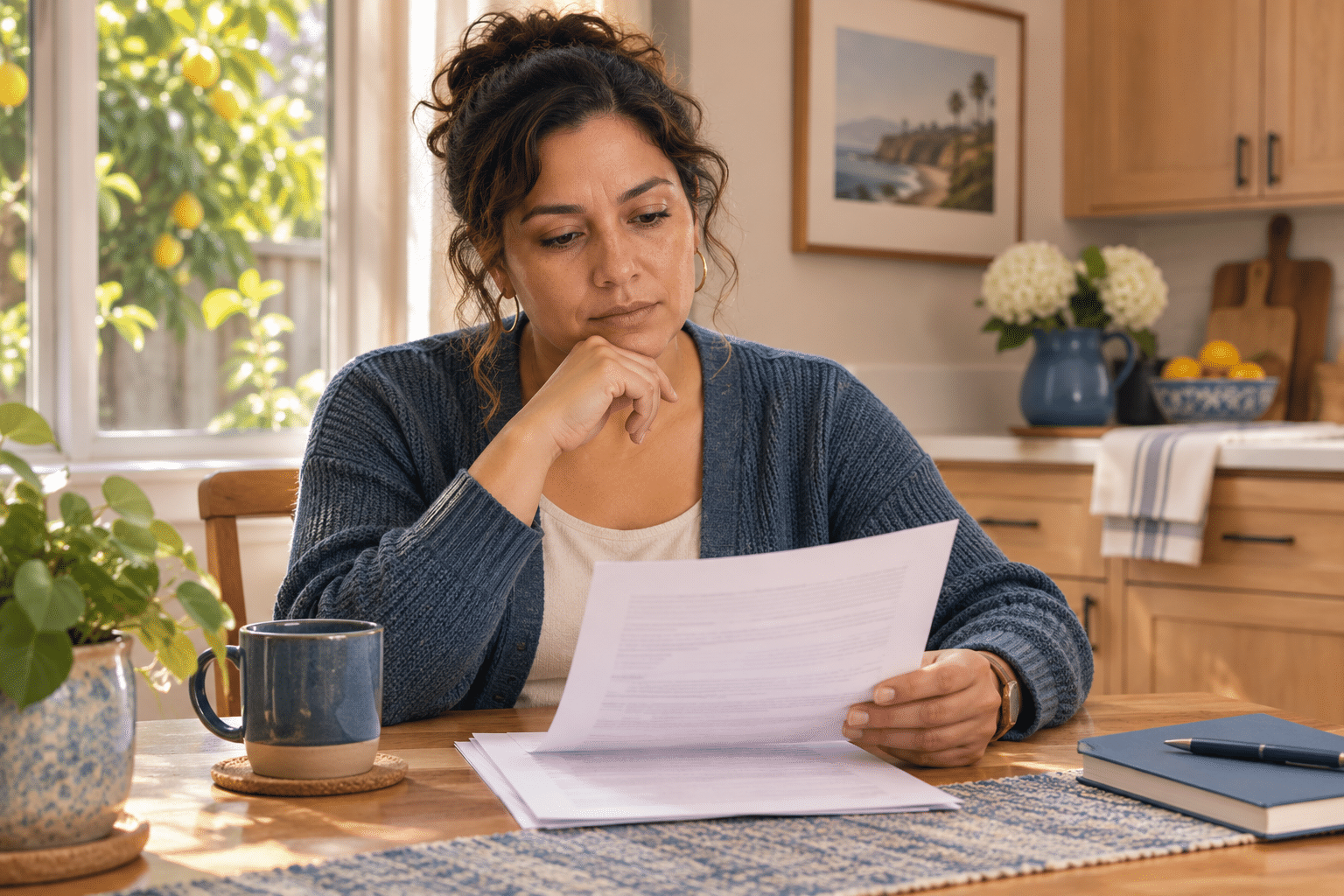
If your child’s school evaluation doesn’t reflect what you see at home or what their teachers see in class, you can ask for a second opinion. An independent educational evaluation, or IEE, is a special education evaluation by a qualified professional who does not work for the public agency responsible for your child’s education. Depending on the circumstances, the school district may have to pay for it.
Under the Individuals with Disabilities Education Act (IDEA), you can request an IEE at public expense when you disagree with an evaluation the district obtained. For example, a speech and language report might describe how your child completes tasks one-on-one but say little about how they communicate during class or group activities. Start by identifying the report you disagree with and its date. If the district has not evaluated your child yet, requesting an initial assessment is a different step. See ADA’s guide to getting an IEP in California.
The district can ask why you disagree, but it cannot require you to explain. The federal rule generally allows one publicly funded IEE for each district evaluation you disagree with. Federal IEE regulation
Subject: Request for an independent educational evaluation at public expense
Dear Special Education Office,
I disagree with the district’s [type of evaluation] for my child, [student name], dated [date]. I am requesting an independent educational evaluation at public expense. Please confirm receipt and send me the district’s criteria for independent evaluators, information on where an evaluation may be obtained, and the steps for arranging payment.
Thank you,
[Parent or guardian name]
Under the federal rule, the district must act without unnecessary delay. It generally must either arrange an evaluation at public expense or file for a due process hearing to defend its own evaluation. If you already obtained an evaluation and the district says it did not meet its criteria, the rule gives the district a way to raise that issue at a hearing. If a final hearing decision finds the district’s evaluation appropriate, you can still get an independent evaluation, but not at public expense under that request. If the district does not respond, follow up in writing and consider getting help reviewing your options. California Department of Education guidance
No. If the IEE meets applicable criteria, the district must consider its results when making decisions about your child’s educational program, but it does not have to adopt every recommendation. Ask the IEP team to discuss the report and explain how it affects the goals, accommodations, or services your child needs.
If you’re unsure what to request or how to respond to the district, explore IEP advocacy at American Disability Association or call (888) 323-2133 to request a free evaluation. We serve California residents; financial qualifications may apply.
This article provides general information, not legal advice about a specific case.
Help make legal assistance more accessible to individuals with disabilities and their families.
Donate now
